Yamaha Bass Comparison: RBX 170, BB234, BB435, TRBX304, RBX4A2 and TRBX505
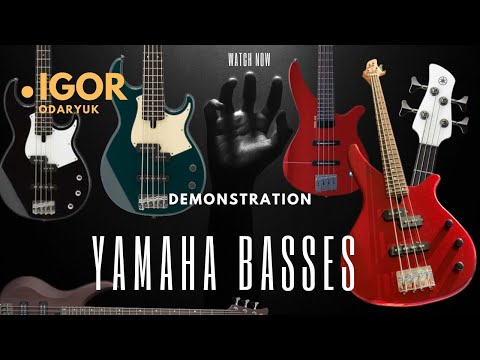
Six Yamaha basses. One session. I lined them all up and played them back to back — the RBX 170, BB234, BB435, TRBX304, RBX4A2, and TRBX505. Different price points, different characters, different players in mind.
Yamaha BB vs TRBX in one line: the BB series is passive with classic Precision Bass thump, the TRBX series is modern and active with an EQ that goes from bright slap to deep fingerstyle in seconds. The RBX is the budget starter below both.
| RBX | BB | TRBX | |
|---|---|---|---|
| Models in this test | RBX 170, RBX4A2 (acoustic-electric) | BB234, BB435 | TRBX304, TRBX505 |
| Electronics | Passive | Passive | Active EQ |
| Tone | Simple, honest | Warm, punchy, Precision Bass character | Modern, flexible, more scooped |
| Feel | Simple starter build | Traditional | Leaner body, faster neck |
| Best for | A very first bass on a tight budget | Beginners and anyone after vintage passive tone | Working players who need versatility |
| My pick | Fine as a first bass | BB234 for beginners | TRBX505 for intermediate players |
This is the kind of video I wish existed when I was buying my first serious bass. Nobody just plays them side by side and tells you the truth. So here it is.
Free: Slap Bass Starter Pack
5 video lessons with slow-motion takes, drum loops and tabs. Enter your email and download it right away.
The Lineup
Let me break down what we’re working with here. These are not random basses — this is basically the entire Yamaha family from beginner to serious intermediate.
The RBX 170 is the entry point. Cheap, simple, gets the job done. Nothing fancy, but it’s honest. If someone’s just starting out and doesn’t want to spend $500 on something they might quit in three months — this makes sense.
The BB234 sits right above it. Already a different instrument. The BB series has a completely different philosophy than the RBX — precision bass DNA, passive electronics, a tone that punches above its price class. I reviewed it separately and it surprised me.
The BB435 is the 5-string version of the BB234 essentially, but there’s more to it. Bigger body, better hardware, and that low B actually sounds usable — which is not guaranteed in this price range. I already have a full review on this one too.
The TRBX304 is where Yamaha starts getting modern. Active/passive switching, a leaner body, faster neck. This is the bass for players who want versatility and a contemporary feel.
The RBX4A2 is an interesting one — acoustic-electric bass. Very different animal. Not for everyone, but if you play acoustic gigs or just want something you can practice without plugging in, it fills that slot.
The TRBX505 is the serious one in this group. 5-string, active electronics, solid hardware. I reviewed it on its own and came away impressed. This is where the value really clicks.
What Actually Matters When Choosing
Here’s the thing nobody tells beginners: the spec sheet doesn’t matter that much at this level. What matters is whether the bass feels right in your hands and whether it stays in tune.
Yamaha builds well. Across all of these, the fret work is clean, the tuners hold, and the necks are consistent. You’re not rolling the dice on quality control the way you sometimes do with cheaper brands.
The real question is: what do you want to sound like?
If you want that old-school Precision Bass thump — the BB series is your answer. BB234, BB435, doesn’t matter — that passive character is immediately recognizable and it records beautifully.
If you want a modern, flexible tone with active EQ — TRBX304 or TRBX505. These are working musician basses. You can go from bright slap tone to deep fingerstyle in seconds.
The RBX 170 is a starter. It does its job. Don’t overthink it if budget is the constraint.
The 5-String Question
A lot of players ask me if they should jump straight to 5 strings. My honest answer: only if you know you need that low B. If you’re learning grooves, learning technique, learning to lock in with a drummer — 4 strings is more than enough for years.
But if you’re playing in a band that tunes down, if you want access to lower notes for fills, or if you just love the sound of a resonant low B — the BB435 and TRBX505 are both solid entry points into that territory.
The BB435’s low B surprised me. It’s tight, it doesn’t flop around, and it actually cuts through a mix. That’s not guaranteed at this price point.
My Pick From This Group
If someone handed me money and said “pick one from these six for an intermediate player” — I’m going TRBX505. The active electronics, the 5-string range, the build quality. It’s a serious instrument at a price that’s still reasonable.
For a pure beginner on a tight budget — BB234. That passive tone is hard to beat and it’ll teach you to work with your hands, not just dial in EQ.
The RBX 170 is fine as a first bass. But if you can stretch to the BB234, stretch.
FAQ
Which Yamaha bass is best for beginners?
The BB234 is my recommendation for most beginners. It sounds better than its price suggests, it’s passive so there’s less to worry about, and it has that classic Precision Bass character that works in almost every genre.
Is the Yamaha RBX 170 worth buying?
As a very first bass on a tight budget, yes. It’s playable, it stays in tune, and Yamaha’s build quality is reliable. Once you decide bass is your instrument, upgrade to a BB series.
Should I get 4-string or 5-string Yamaha bass?
Start with 4 strings unless you have a specific reason to need the low B. Learn technique, learn groove, learn to listen. The 5th string will be there when you need it.
What’s the difference between Yamaha BB and TRBX series?
BB series leans toward classic Precision Bass tone — passive, warm, punchy. TRBX is more modern and versatile with active EQ, lighter body, faster neck feel. Both are quality instruments for different playing styles.
Is the Yamaha TRBX505 worth the money?
Yes, consistently. It competes with basses that cost significantly more, the active electronics are well-voiced, and the 5-string B string is tight and usable. Good value for an intermediate player.
Related Posts
More Yamaha reviews from the blog:
- Yamaha BB235 Review
- Yamaha BB234 Review
- Yamaha TRBX505 Review
- Yamaha BB435 Review
- Yamaha BB Series Overview
The RBX, BB, and TRBX series represent three different answers to the same question: what should a Yamaha bass feel like. The RBX was the accessible modern option. The BB is the traditional workhorse. The TRBX is the active versatility machine.
Understanding these differences saves you from buying the wrong instrument for your context. A jazz player who wants to blend into a live band mix doesn’t need the TRBX’s scooped active character. A metal player who needs articulation at speed doesn’t want the BB’s vintage warmth.
Yamaha’s consistent quality across all three lines means the choice really is about character, not about risk. All of them are built well.
Want to Level Up Your Bass Playing?
I’ve put together courses and resources that cover everything from slap fundamentals to advanced groove techniques.